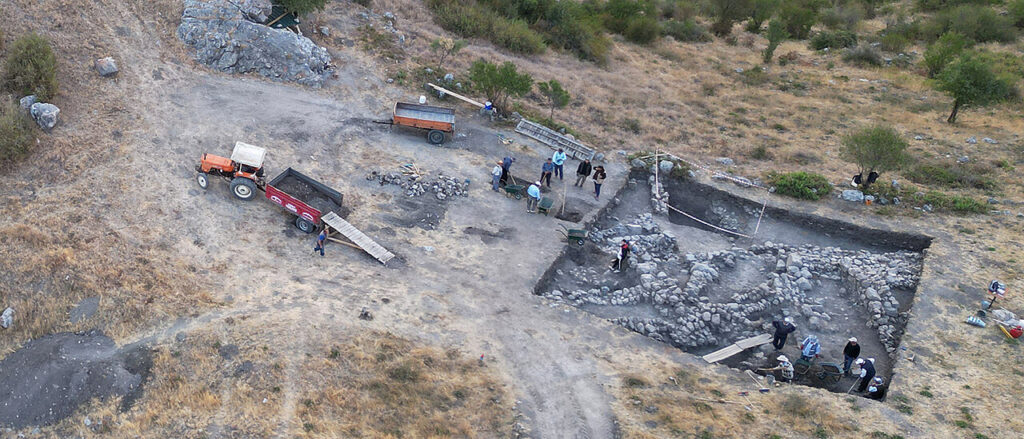


In 2023, archaeologists discovered a previously unknown Indo-European language during excavations in Turkey.
According to a press release issued by the University of Würzburg, the language was identified at a UNESCO World Heritage Site in north-central Turkey. Professor Daniel Schwemer, who participated in the discovery and specializes in the ancient Near East, stated that the newly identified language is associated with the region of Kalasma, located northwest of the Hittite capital, Hattusa.
“The Hittites had a particular interest in recording rituals in foreign languages,” Daniel Schwemer explained in reference to the discovery.
In 2024, Elisabeth Rieken published a preliminary interpretation of the inscription discovered on the tablet. According to her interpretation, “the speaker invites the deity being addressed — presumably the weather god — to accept offerings and, in return, asks for divine favor and abundance.”
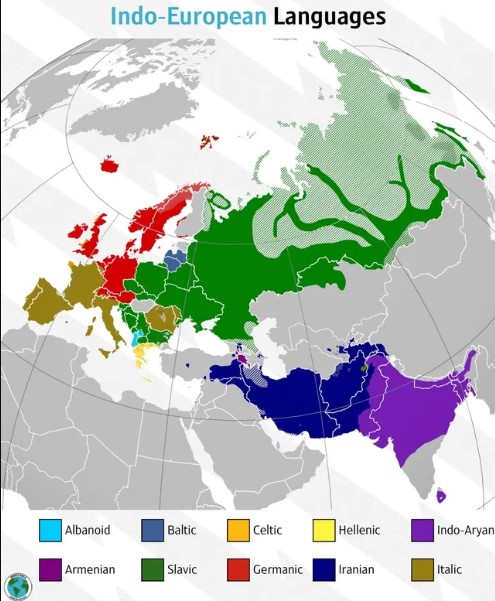
According to scholars, the Indo-European language family is among the most extensively studied in the world, and it was long assumed that no major discoveries remained to be made. Nevertheless, the discovery in Turkey demonstrates that new findings and advances in the study of ancient languages are still possible.